New ACRF-funded research program to accelerate immunotherapy breakthroughs for children with cancer
Australian Cancer Research Foundation and Children’s Cancer Institute launch the ACRF Spatial Immune-oncology Research (ASpIRe) Program
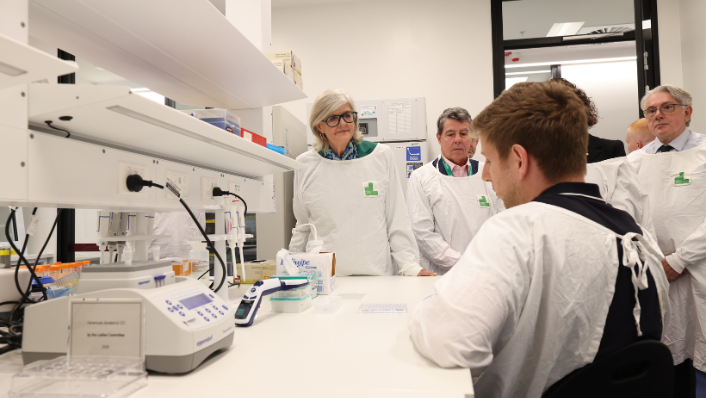
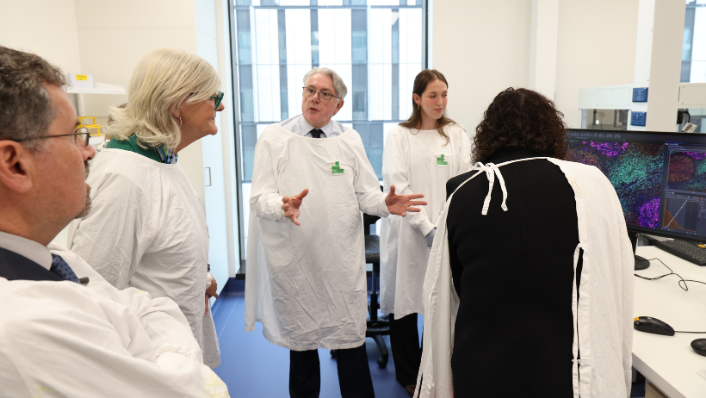
A world-leading cancer research facility dedicated to bridging the current gap in immunotherapy for children officially opened on Monday, 18 May 2026 at Children’s Cancer Institute.
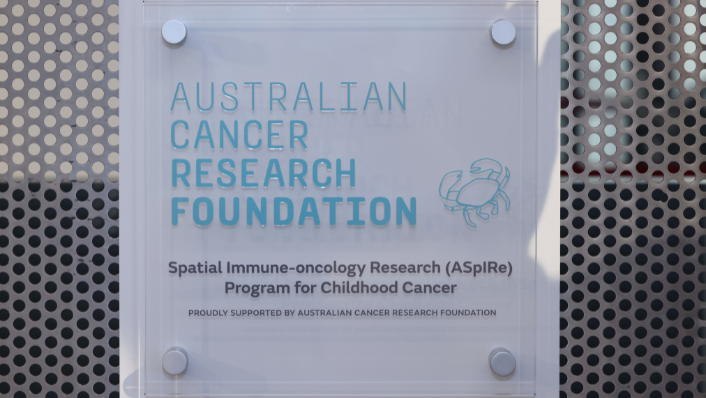
The ACRF Spatial Immune-oncology Research (ASpIRe) Program, was made possible by a $2 million grant from Australian Cancer Research Foundation (ACRF). The program aims to adapt the lifesaving immunotherapy successes seen in adult cancers, for paediatric patients - who have yet to see the same level of progress and outcomes.
Cutting-edge tech for Australia’s youngest patients
The ASpIRe Program introduces spatial multiomics technologies to Australia - some for the first time. This technology allows scientists to see exactly how cancer cells interact with their environment, in high definition.
By mapping the Tumour Immune Microenvironment (TIME), researchers can identify how some cancers "hide" from the immune system and develop "rewired" treatments that are more effective and significantly less toxic than traditional chemotherapy.
A decade of data driven by philanthropy
This program is the third pillar in a long-term investment by ACRF in Children’s Cancer Institute, building on the existing Zero Childhood Cancer Program (ZERO) and the ACRF Child Cancer Liquid Biopsy Program. Together, these initiatives provide Australian researchers with access to the nation’s largest collection of linked multiomic and clinical data on close to 3,500 children and their cancers.
Kerry Strydom, CEO of ACRF, said, “The new ACRF funded ASpIRe Program is a powerful demonstration of how targeted philanthropic investment in world-class infrastructure can drive breakthrough science and benefit patients. We are so proud to support Children’s Cancer Institute as they translate cutting-edge technology into new hope for Australian children and their families.”
Associate Professor Paul Ekert, Deputy Director, Research Themes, at Children's Cancer Institute and Chief Investigator of ASpIRe, said, "ASpIRe is set to transform childhood cancer treatment. Immunotherapies have dramatically changed the way many cancers common in adults are treated. We want to bring that same advantage to children. By identifying the precise mechanisms that allow tumours to evade the immune system, we aim to deliver personalised immunotherapies that dramatically improve survival rates while reducing the devastating long-term side effects young patients face."
Official Opening Event
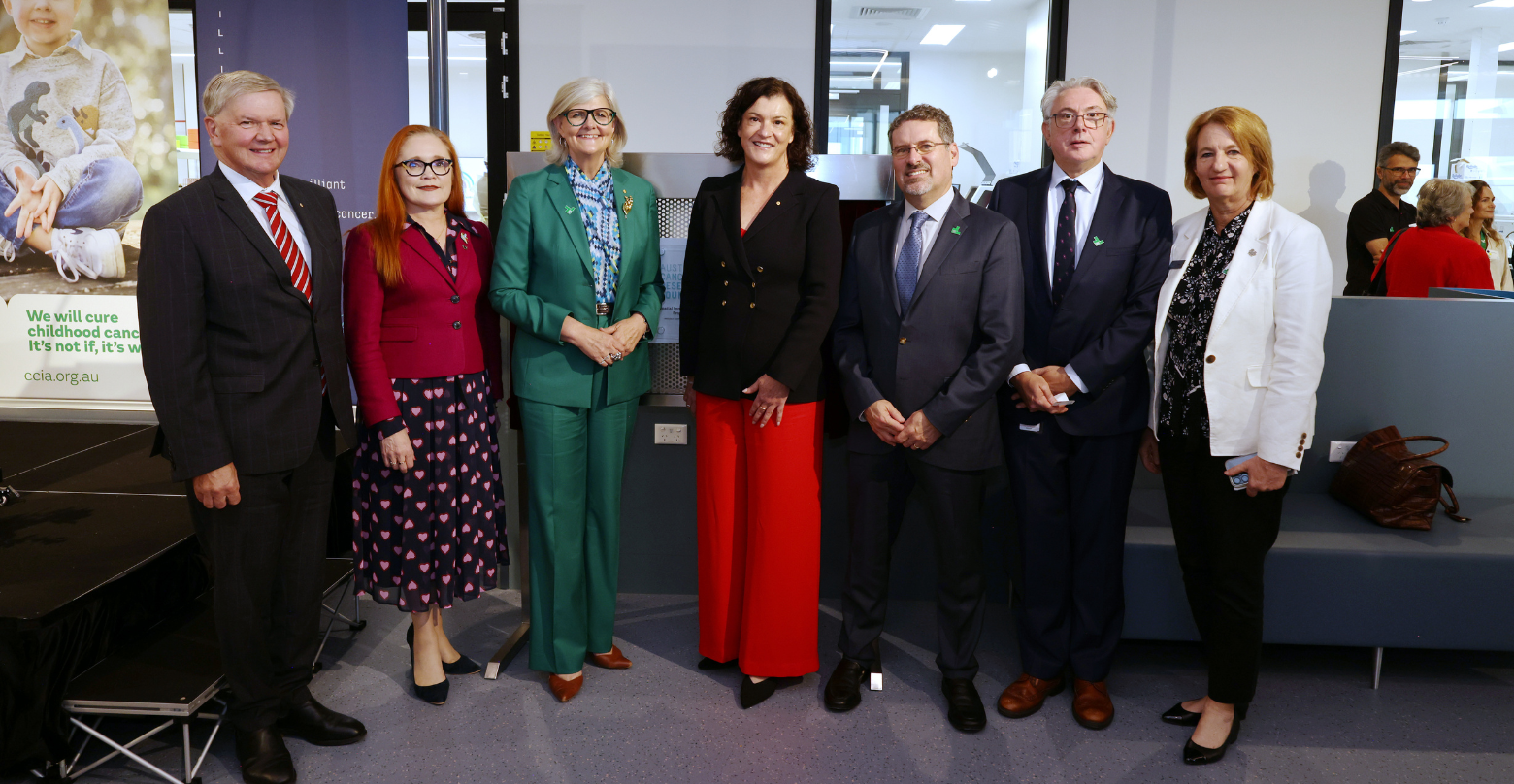
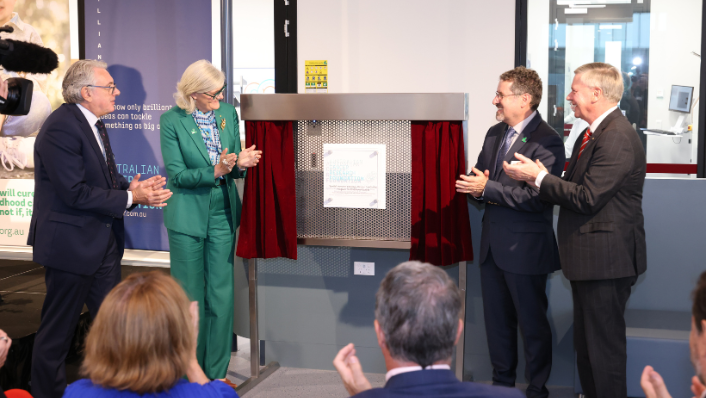
The lab officially opened at the Minderoo Children’s Comprehensive Cancer Centre by ACRF Patron Her Excellency the Honourable Ms Sam Mostyn AC, Governor-General of Australia, alongside the Executive Director of Children’s Cancer Institute, Professor Louis Chesler.
Related news
Read more
$10M in funding announced for cutting-edge cancer research
University of Sydney launches Australia’s new ace against cancer