Research offers new hope for people living with rare blood cancers
For people living with a rare group of blood cancers, it can be difficult to know whether their disease will remain stable or become more serious. Researchers at QIMR Berghofer have found genetic changes that could one day help identify those at higher risk.
These cancers, called myeloproliferative neoplasms (MPNs), cause the bone marrow to make too many blood cells. Around one in three people with an MPN develop a more serious disease, such as myelofibrosis, which scars the bone marrow, or acute myeloid leukaemia, an aggressive blood cancer. There is currently no reliable way to predict who will be affected.
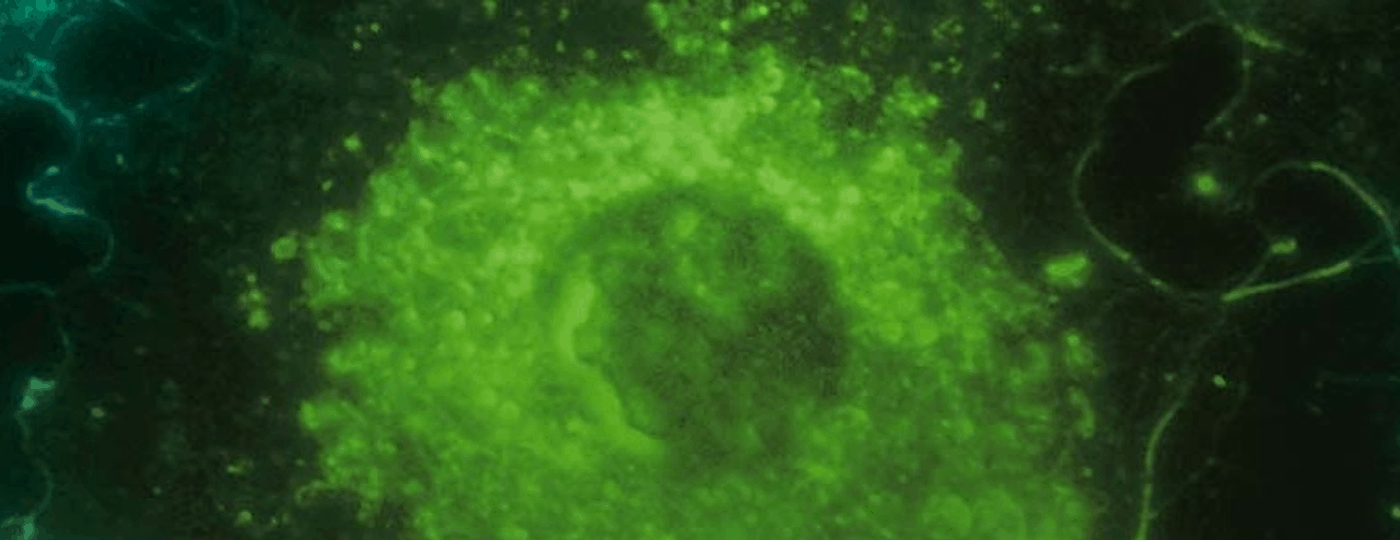
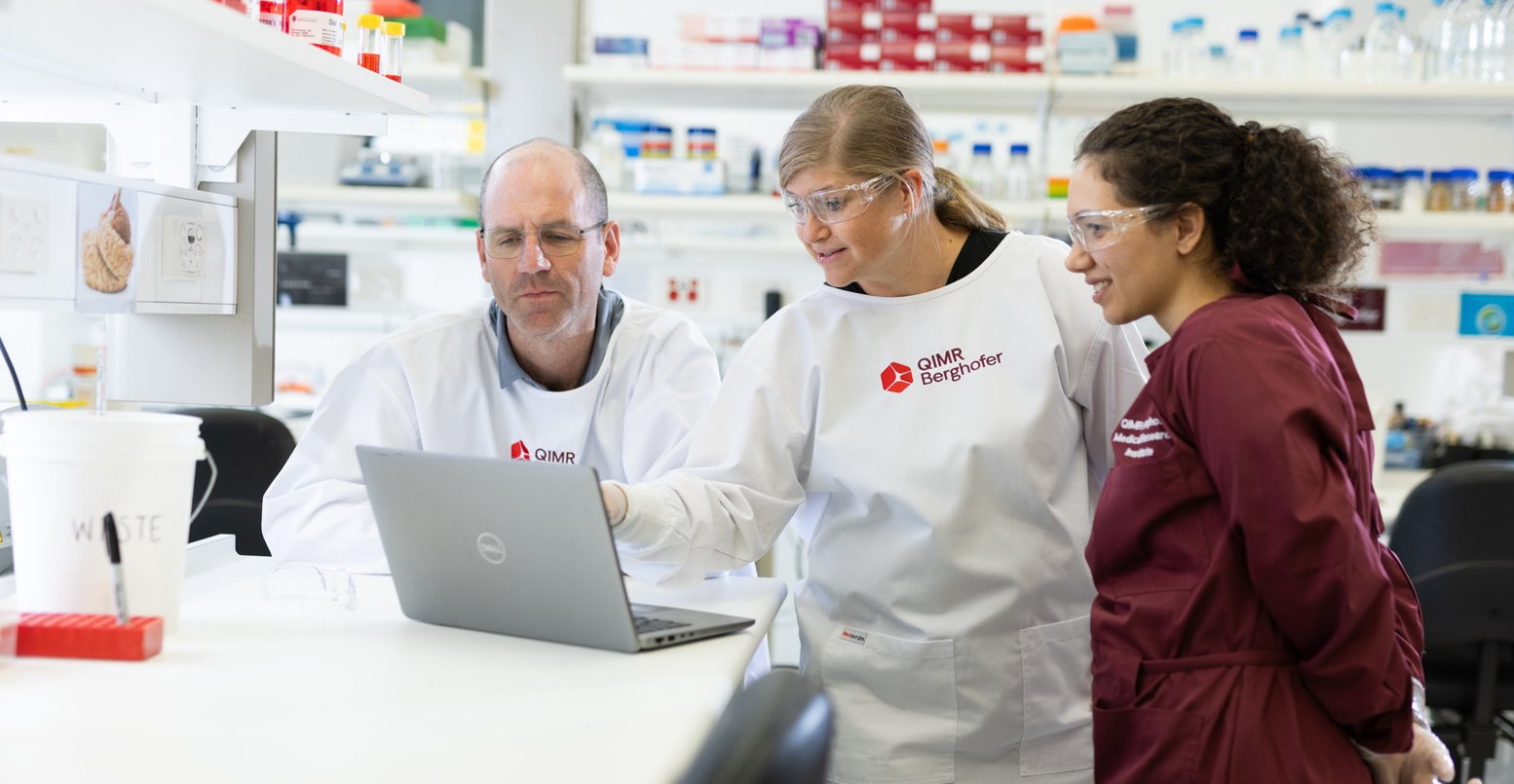
To investigate why some MPNs progress, the QIMR Berghofer team studied more than 50,000 individual blood-forming stem cells. They found that cells with specific combinations of genetic changes were more common in the more serious disease. To do this, researchers from QIMR Berghofer's Leukaemia Research Laboratory, led by Professor Steven Lane alongside Dr Jasmin Straube and Dr Megan Bywater, developed a new method that allows them to examine individual cancer stem cells in unprecedented detail.
These findings could help researchers identify people at higher risk of developing more serious disease much earlier and support the development of new targeted treatments aimed at preventing MPNs from progressing to life-threatening leukaemia.
.png?language=en)
.png?language=en)
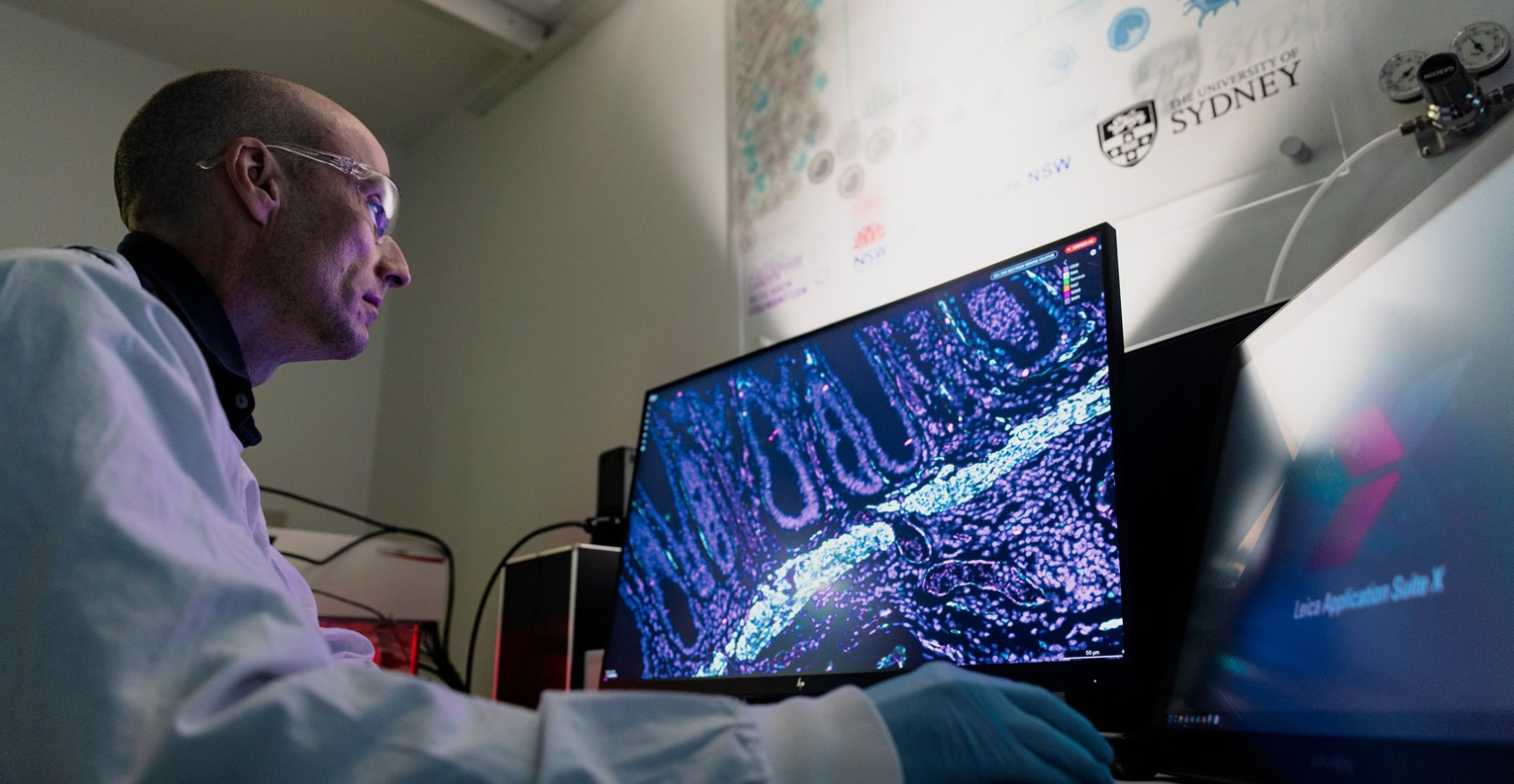
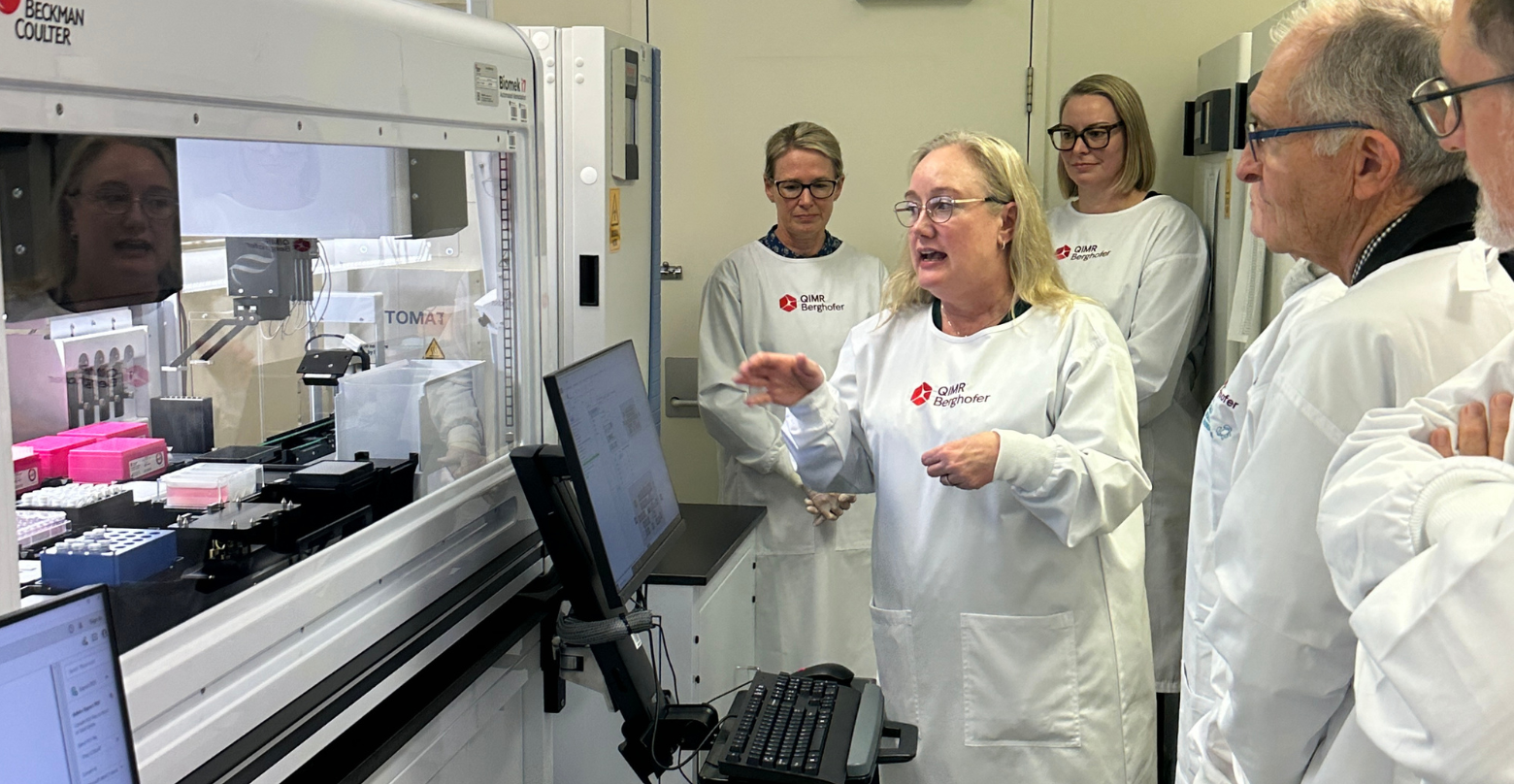
The research was made possible using advanced technologies, including spatial tissue analysis tools that have been part funded by the Australian Cancer Research Foundation Centre for Optimised Cancer Therapy (ACRF-COCT) at QIMR Berghofer. These technologies help researchers better understand where disease-causing stem cells are located in the bone marrow and how they interact with surrounding cells.

At Australian Cancer Research Foundation, we know that brilliant ideas need access to cutting-edge technology to thrive. By funding the technology, equipment and infrastructure researchers need, ACRF helps accelerate discoveries that have the potential to improve outcomes for people impacted by cancer.
Read more about the research in QIMR Berghofer's original article